Längtan, nostalgi och gränslös fantasi på Nationalmuseum
Review by Daniel Birnbaum
Dagens Nyheter, 28/9 2024
Longing, nostalgia, and boundless imagination at Nationalmuseum (Stockholm)
In Nationalmuseum’s major exhibition “The Romantic Eye”, art from the early 1800’s is combined with works by 25 contemporary artists in an imaginative exhibition featuring original and utterly incredible loans, claims Daniel Birnbaum
(excerpt translated from Swedish below)
[…] In his catalogue essay, Carl-Johan Olsson highlights the modest room in which the artist works. You can make out his bed in the background, and you have to assume that he lives and creates in the same meagre little chamber. A modern bohemian, as far removed from the painter-princes of earlier eras as it is possible to be.
Janssen is clearly driven by values other than material ones. The flowers on the table in front of him are blue, like the poet Novalis’s “blue flower of longing,” the emblem of the era’s transcendental dreaminess.
Novalis—Romanticism’s most mythologised writer—was a philosopher, poet, and mining engineer. In the unfinished novel Heinrich von Ofterdingen, the secretive powers of mountains and cliffs are described. Stone, clay, metal, crystal, and mud are just as imagination-stirring as the influence of the planets.
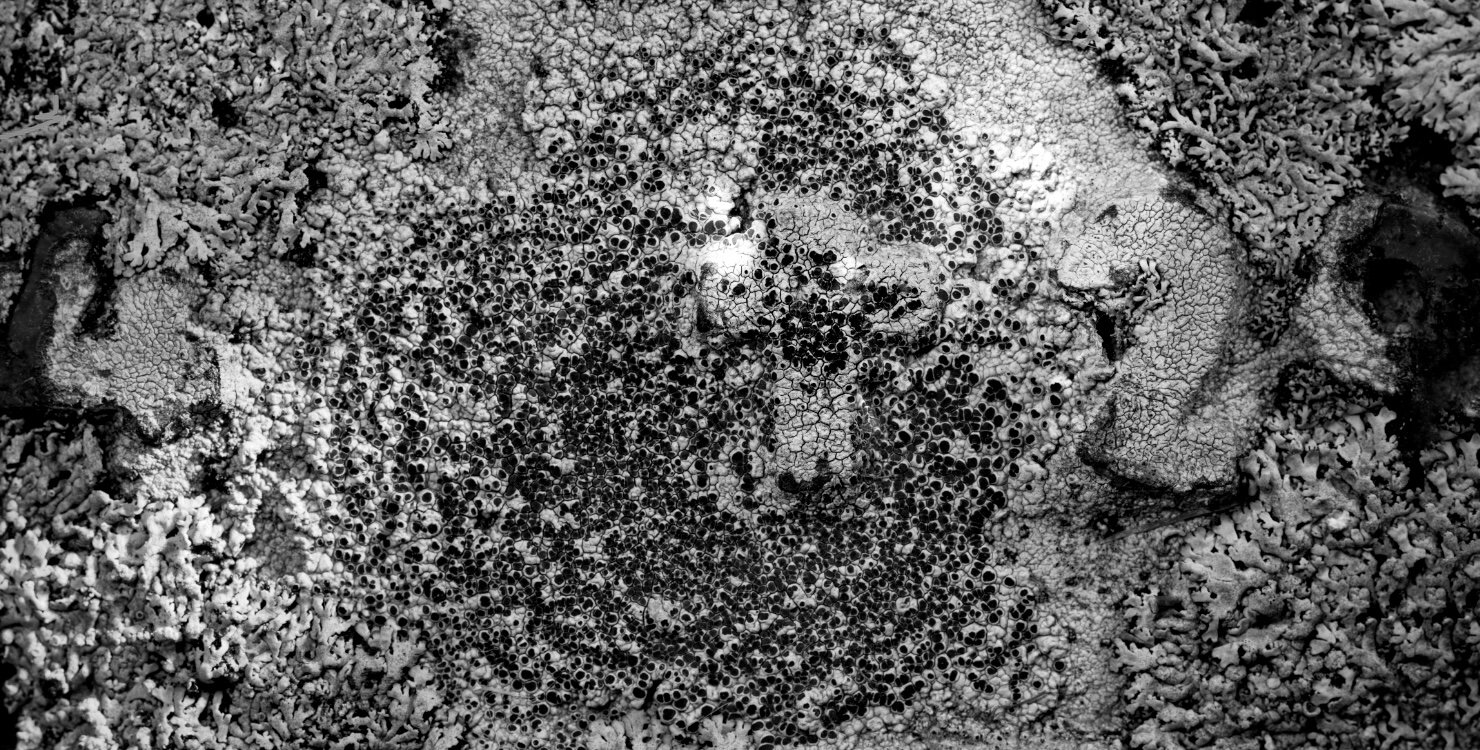
Perhaps this has been a point of departure for the selection of artworks, because there is an abundance of underground tunnels and layers of earth. In Oscar Furbacken’s grey concrete blocks there are small mysterious openings that lead into branching cave passages. And Helen Schmitz’s wonderful photographs from Rügen—an island that appears in Friedrich’s paintings—make me think of Novalis’s description of nature’s great cipher script: patterns that recur in clouds, in snow, in crystals, and in rock formations.
Renaissance philosophers singled out the melancholic person as someone who suffers from too much black bile in the body. The dark fluid creates sluggishness and inner gloom, but it can also give rise to sudden flashes of inspiration. Melancholy is a form of passivity that makes moments of ecstasy possible. In many ways, those analyses anticipate Romanticism’s ideas about the complex inner life of genius.
And these moods still linger in works of art created in a time that no longer believes in the influence of bodily fluids. Or does Mamma Andersson’s crouching woman in Swan Song from 2016 suffer from an excess of black bile in her body?
Each new generation seems to rediscover its own version of Romanticism. The Surrealists in Paris elevated chance, dreams, and the irrational. The Abstract Expressionists in New York saw the infinite expanses of space. Barnett Newman reintroduced the German Idealist notion of the sublime, which shakes the subject in a way that mild, somewhat timid beauty never can. […]
/Daniel Birnbaum, 2024
curator, art critic and former head of Moderna Museet, Stockholm